
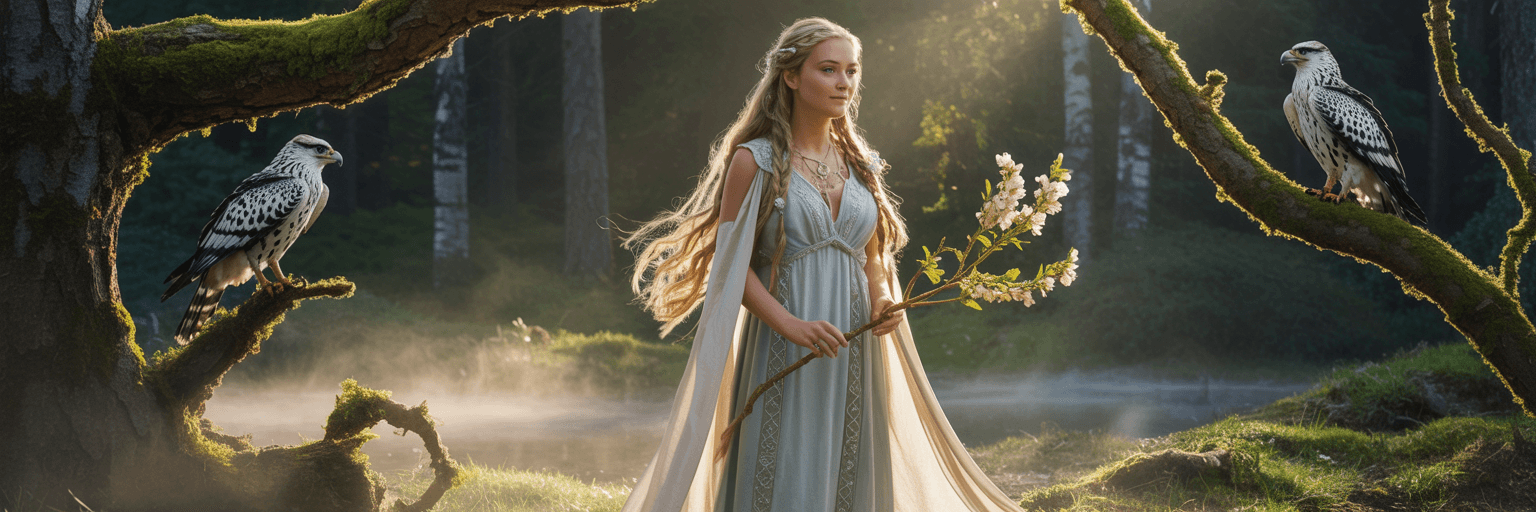
In a world often shaped by division, some people feel called toward paths less traveled—paths rooted not in dominant faiths, but in ancient ways of connection, myth, and heritage. Norse Paganism—also known as Heathenry or Ásatrú—is one such journey, grounded in the stories, spirits, and storied landscapes of the Norse world. But what does it mean to be a Norse Pagan today? It’s both personal and communal, spiritual and practical—and always more nuanced than a label.
A Living Tradition Rooted in the Past

Ásatrú—literally “faith in the Æsir”—draws from the pre-Christian practices of Scandinavia. Long before Christianity, the Norse honored a rich pantheon, including Odin the All-Father, Thor, and Freyja. These deities were not idealized, removed figures—they were complex, human in their strengths, flaws, and the stories that wove them into the lives of the people.
But being a modern Norse Pagan doesn’t mean trying to perfectly replicate Viking practices or excluding anyone who wasn’t born into a Norse heritage. Heathenry is a reconstructionist journey—rooted in lore, archaeology, and lived experience—but above all, it’s a present, open path.
What Union of Myth, Practice, and Belonging Looks Like
- Myth & Lore
Sacred texts like the Poetic and Prose Eddas are indispensable guides. They offer insight into cosmology, deities, values, and the cycles of existence—reminding us that the Nine Worlds hang upon Yggdrasil, the cosmic tree, connecting gods, humans, and the unseen. - Practice & Ceremony
Rituals such as blót, sumbel, and honoring the ancestral spirits are part of many modern Heathen paths. Practice varies from shared hearth to personal meditation, rooted in tradition yet open to adaptation. - Ethics & Identity
Norse Paganism often emphasizes virtues like honor, courage, hospitality, and personal responsibility. Many draw from sources like the Nine Noble Virtues, but measures of worth are personal deeds and living with integrity, not rigid doctrine.
Inclusive and Accessible—By Design
At FulcoScar.com, we hold the Nine Flames of inclusive practice at the heart of all that we do:
- We welcome all—regardless of race, gender, sexuality, ability, age, appearance, belief, or background. The gods choose whom they will, and so do we.
- We encourage adaptation. Disabilities? Accessibility needs? No barriers here—health, mobility, or economic circumstances should never block connection.
- We invite first-person reflection: “I choose to walk this path with welcome, with open arms.” This is not passive agreement—it’s living inclusivity.
- We center spiritual belonging—be that through ancestry, chosen kin, elemental spirits, or the guides who inspire us. Norse Paganism is expansive.
In Practice
What Is a Norse Pagan? It’s someone—anyone—who feels called to the old customs in a new world.
It’s about weaving myth, earth, and spirit into your life. It’s about acting with honor, forging your own path, and honoring the unseen forces, ancestors, and ways that shape you.
It is for all seekers, and its strength comes from this openness.
🔍 Reflection Sidebar — Your Path, Your Way
(Invite yourself into the story)
- Which Norse myths or deities resonate most deeply with you, and why?
- Are there virtues—like honor, hospitality, or courage—that already shape your life?
- How do you honor those who came before you, whether by blood, spirit, or chosen family?
- What adaptations would help make spiritual practice more accessible or meaningful for you?
There is no one “right” way to be a Norse Pagan—only the way that is true to your heart, your values, and your lived experience.
